Mott Haven · Bronx
A Mott Haven turnover list needs more than “fix the glass.”
By MetroGlass Pro ·
Plan this glass project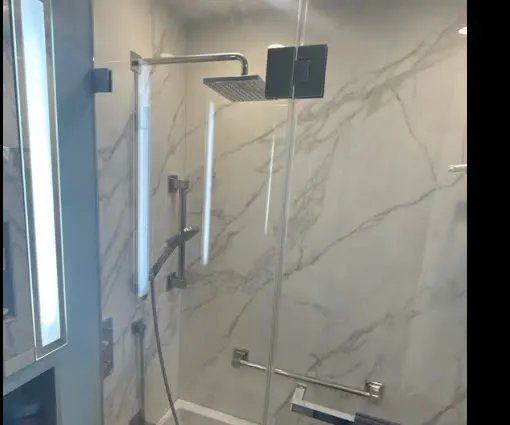
On a turnover list, “door catches,” “water outside shower” and “chipped pane” should not become the same work order. Putting all three under “glass repair” makes a short list, but it hides the information needed to decide what work comes first.
For a Mott Haven property manager, start with the observation and the location of the item. Keep an access concern separate from a cosmetic finish request. The aim of the first message is to make a useful assessment possible, not to diagnose the problem or approve a replacement from a photograph.
Write the symptom, identify the assembly and separate the assessment from the proposed remedy.
Sort the observations before the appointments
Record the unit reference and item, what was reported, and whether the problem affects access or use. If glass is damaged or a panel appears loose, keep people clear and arrange professional assessment rather than testing its movement for a better video. Use photographs only from a safely accessible position.
For a door that catches, say where it catches if already known. For water outside a shower, say where the water was noticed and whether other renovation work is underway. Do not label either one as a hinge failure or a seal-only job before review. A symptom list helps the estimator ask the next question; it is not a repair specification.
- Item and location: shower door, fixed panel, mirror or other glazing.
- Observed issue: movement, water, visible damage or finish concern.
- Access: occupied or vacant, contact person and known building arrangements.
A chrome finish does not identify the fitting
The company photograph shows rectangular chrome fittings at the glass and a horizontal handle beside white veined tile. Those visible details help describe an enclosure, but they do not reveal every gasket, fixing or glass preparation detail. MetroGlass Pro’s accompanying project story discusses correcting a clip mismatch and sealing work. It is one documented scope, not a diagnosis for another apartment.
Look for the original invoice, product manual or safely visible manufacturer label before requesting parts. Basco’s current parts page, for example, organizes its search around models and specific part information. That is useful evidence for asking which assembly you have. It does not mean that a Basco part fits unidentified glass or that the pictured enclosure is a Basco product.
Send an overall photograph first, then any safely obtainable view of the relevant fitting. Do not remove a clamp, handle or panel to identify it. If the original product cannot be established, say so. The assessment can then account for that uncertainty instead of assuming a visually similar replacement will fit.

Compare two scopes only after the condition is understood
A focused hardware or sealing repair and replacement of glass or an enclosure are different proposals. Ask what the assessor believes is causing the reported problem, what can remain, and what still needs inspection. If a part is proposed, ask how its compatibility will be confirmed. If replacement is proposed, ask which existing frame, tile or surrounding finish is included in the review.
Where the product is known, its manufacturer information may also help with instructions, service or warranty questions. The CPSC recall and safety-warning search is another check for an identified product. A general turnover note or a matching-looking photo does not establish that a particular unit is recalled; any match needs the actual manufacturer and product details.
Give each unit its own agreed result
Send one short condition record per item, with photos and any product information. In a larger turnover list, keep the work order and access contact clear so images from one apartment do not get treated as the specification for another. Leave resident details out of general photo labels and share only the contact information needed to arrange the work.
Ask the proposal to identify the assessed item, included work, retained components and any follow-up needed from another trade. After work, record what was done and the care or return-to-use instructions supplied for that job. A tidy after-photo can document appearance; the completion review still needs to address the original reported issue. MetroGlass Pro can start that discussion from the condition record below.
Bring the actual room into the estimate.
For this project, useful photos show:
- Overall item from a safe position
- Safely visible fitting or product label, without dismantling
- One condition record per item, with access contact and retained components
Tell us what you need.
Just the basics. Measurements and building details can come later.