Walk-In Shower Panel: The Wet Room Look Taking Over NYC
February 2026
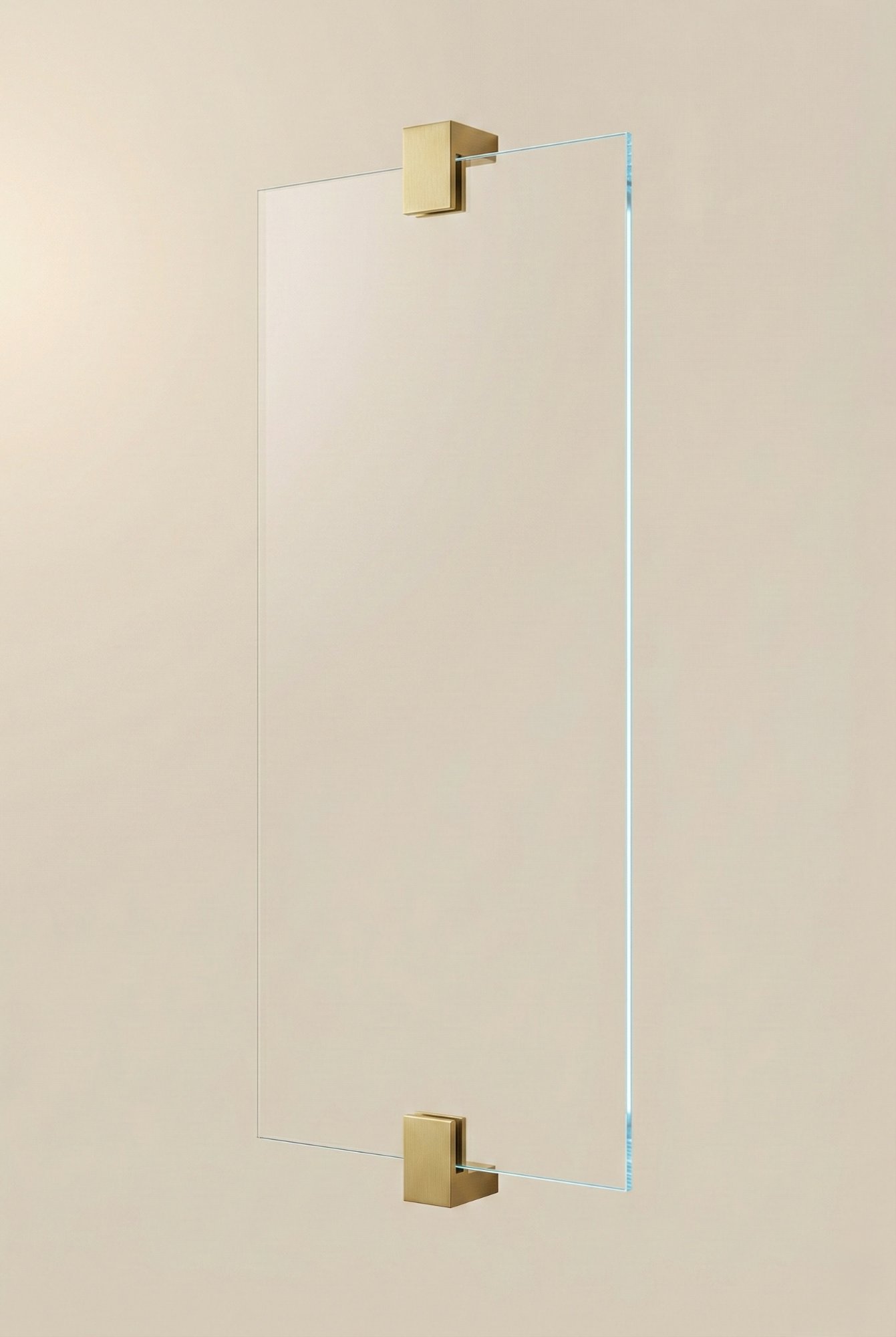
No hinges. No handle. No door. Just a single panel of heavy frameless glass mounted to the wall, creating a partial barrier between the shower and the rest of the bathroom. This is the walk-in — or "wet room" — style, and it's the most visually striking shower configuration available.
The wet room trend
Walk-in showers have been standard in European and high-end hotel bathrooms for years. In NYC, they've been gaining popularity fast — especially in luxury condo renovations and gut remodels where the bathroom is being designed from scratch.
The concept is simple: instead of enclosing the shower with a full glass wall and door, you install a single fixed panel — typically 30–36" wide — that blocks the majority of water spray while leaving an open entry on one or both sides. You walk in and out without opening anything.
The result is the most open, spa-like shower experience you can get in a residential bathroom. There's no door to clean, no hinges to maintain, and no hardware beyond the wall clamps holding the glass. It's glass at its most minimal.
Why it's the most premium look in NYC bathrooms
Walk-in panels read as luxury because they demand a thoughtfully designed bathroom. You can't just drop one into any layout — the shower needs to be wide enough, the drain needs to be positioned correctly, and the floor needs proper waterproofing and slope. When all of that comes together, the result is a bathroom that looks like it belongs in a design magazine.
In NYC specifically, walk-in panels are most common in:
- New construction condos where bathrooms are designed around the walk-in concept from day one
- Gut renovations in brownstones and co-ops where the entire bathroom is being rebuilt
- Master bathrooms in larger apartments where there's room for a generous shower footprint
The glass itself is almost always 1/2" (12mm) tempered for walk-in panels. Since there are no hinges or moving parts, the panel is permanently fixed — so it needs to be heavy enough to feel substantial and rigid enough to resist any lateral pressure. Two wall clamps at top and bottom hold it in place.
Waterproofing considerations
The biggest difference between a walk-in panel and every other shower configuration: there's no door to contain the water. This means the rest of the bathroom needs to be built to handle some water escape. It's not as dramatic as it sounds, but it does require planning:
- Floor slope: The shower floor must slope toward the drain at a minimum of 1/4" per foot. This keeps water flowing toward the drain rather than pooling or running toward the open entry. We check this during measurement and flag any slope issues before installation.
- Drain placement: The drain should be positioned between the showerhead and the open entry — ideally at or near the center of the shower floor. This catches the majority of water before it can reach the opening.
- Panel width and positioning: The glass panel blocks direct spray from the showerhead. We position it so the showerhead spray zone is fully behind the glass. The open entry is on the side furthest from the water source.
- Bathroom floor: For a true wet room, the bathroom floor outside the shower should also be tiled and waterproofed, with a slight slope back toward the shower drain. This isn't always necessary — it depends on the layout — but we recommend it for fully open designs.
The key takeaway: a walk-in panel isn't just a glass install — it's part of a larger bathroom design. We can advise on what your shower needs before we install, and we work closely with GCs and tile contractors to make sure everything lines up.
Cost range
A walk-in panel is often the most affordable frameless configuration — there's only one panel and minimal hardware. Typical range is $800–$1,500 installed for a single fixed panel in NYC. However, the total project cost is often higher because the shower itself may need waterproofing upgrades, drain work, or floor re-sloping. The glass is the easy part.
Related Services
Other Configurations
Want the walk-in spa experience?
We'll assess your shower and design the right panel.
Get a Free Estimate